How much detail should a recall text include without putting patient privacy at risk?
A recall text has to be specific enough to prompt action and vague enough to be safe on a shared phone. Here is where the line sits.
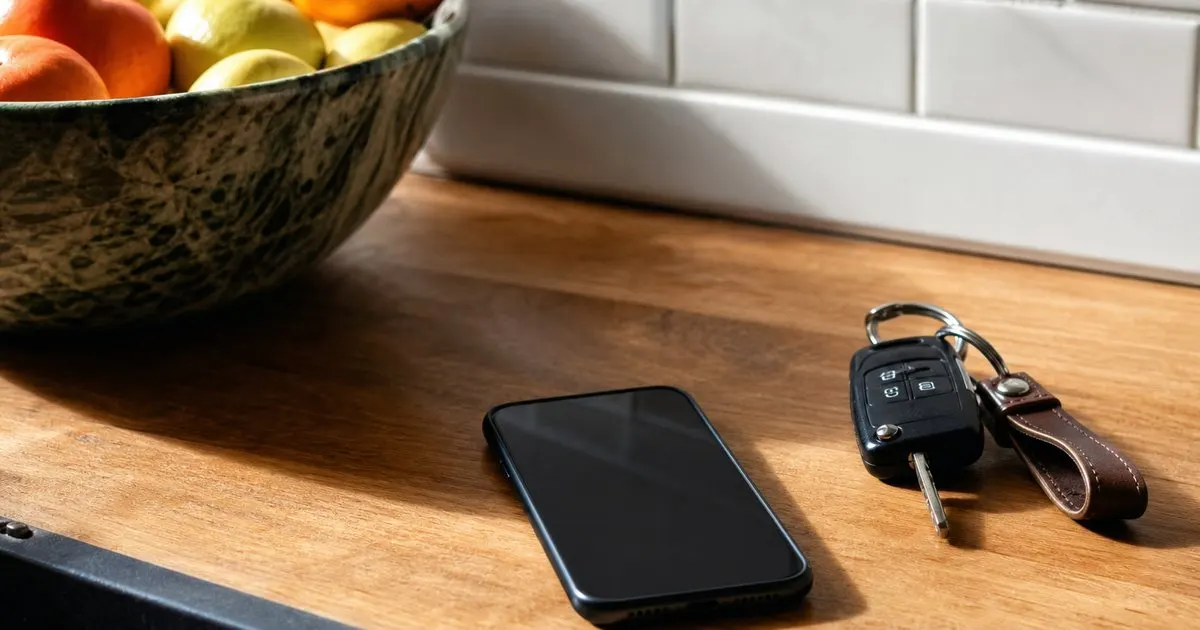
Assume the message will be seen by someone else
Text messages appear on lock screens, on shared family tablets, on smartwatches, and on phones that get handed to children. Email lands in inboxes that spouses and assistants sometimes share. The safe assumption for any automated recall message is that a person other than the patient may read it. That single assumption answers most wording questions: if the content would be awkward for a third party to see, it does not belong in the message. Related: Recall and Patient Loyalty
This lines up with the minimum necessary principle in HIPAA, which asks covered entities to limit protected health information to what is needed for the purpose. The purpose of a recall message is to prompt a booking. The practice name, the fact that the patient is due for a visit, and a way to book are necessary. The diagnosis, the procedure, and the medication are not. Related: Why Patient Recall Matters for Care and Revenue
Keep reading: Why Patient Recall Matters for Care and Revenue, Building a Recall System That Works, Reminders That Patients Appreciate, Not Resent. See how DueVisit helps you recall reminders for patients due for a checkup.
What a recall text should contain
A strong recall text has four parts. The practice name, so the patient knows who is asking. The patient's first name, which is generally low risk and makes the message feel personal. A plain statement that they are due for a checkup, cleaning, exam, or follow-up, using the general term rather than the clinical one. And a single call to action: a booking link, a phone number, or an invitation to reply. Add the STOP instruction as required for automated texts. Related: Getting Patients to Rebook
Keep the visit type generic. Due for your regular checkup is fine. Due for your periodontal maintenance starts to reveal a condition. Time for your follow-up is fine. Time to recheck your blood pressure is not. For mental health, reproductive health, substance use, and other sensitive specialties, even naming the practice can be revealing, and those practices often use a neutral sender name and refer to your appointment without further detail.
What to leave out and where it belongs instead
Leave out diagnoses, test results, medication names, treatment plan details, balances owed, and anything about a family member. Leave out humor that assumes a private audience. Leave out links to pages that display clinical information without a login. If a patient needs to know something specific, the message can say that the practice has information about their care and ask them to call, or direct them to a secure portal. Related: Handling Patient Data With Care
Detail belongs in the channels built for it. The patient portal can hold the full explanation of why the visit matters. A phone call with the patient, once identity is confirmed, can cover the treatment plan. The visit itself is where the clinical conversation happens. Recall's job is to get the patient to that conversation, not to have it by text.
Build the rules into the tool, not into staff memory
A wording guideline in a binder will be followed until the day a new hire writes a message from scratch. Put the rules into the recall tool instead: approved templates with placeholders for the practice name, first name, and booking link, and no free text field that allows clinical detail to be typed into an automated message. Review the templates once a year with whoever handles compliance for the practice.
When the front desk replies to a patient's question by text, the same rules apply, and a short reply guideline helps: confirm identity if anything specific is discussed, keep it to scheduling, and move anything clinical to a call. The practices that get this right are not the ones with the longest policy document. They are the ones where the safe message is the default and the unsafe one is hard to send.
- Assume someone other than the patient may read the message and write accordingly.
- Include the practice name, first name, a generic visit type, one booking action, and the STOP instruction.
- Leave out diagnoses, results, medications, treatment details, and balances, and direct specifics to a call or a secure portal.
- Lock the wording into approved templates in the recall tool so the safe message is the default.

Julien Jimenez
Julien Jimenez is an independent software builder based in Paris. He designs, ships, and operates focused SaaS products for small businesses and independent professionals. Read the full author page.
Bring patients back in when they are due
Recall reminders for patients due for a checkup. DueVisit is built to help you put this into practice.
Fill my scheduleMore from the DueVisit blog

Why Patient Recall Matters for Care and Revenue

Building a Recall System That Works

Reminders That Patients Appreciate, Not Resent
Get the DueVisit playbook
Practical guides on patient recall, straight to your inbox as we publish them. No spam, unsubscribe any time.